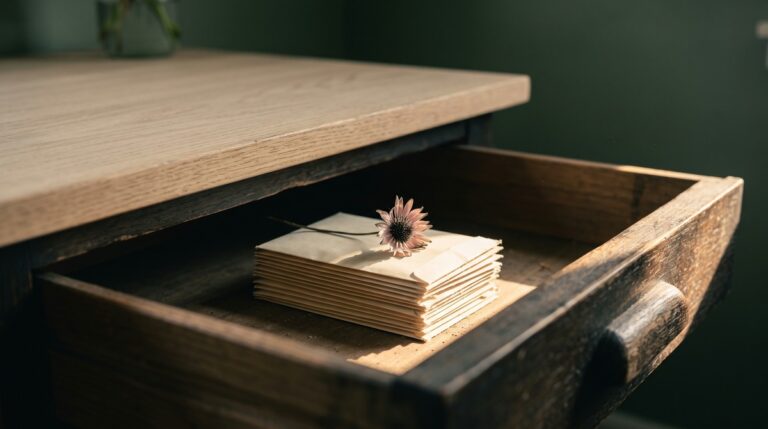

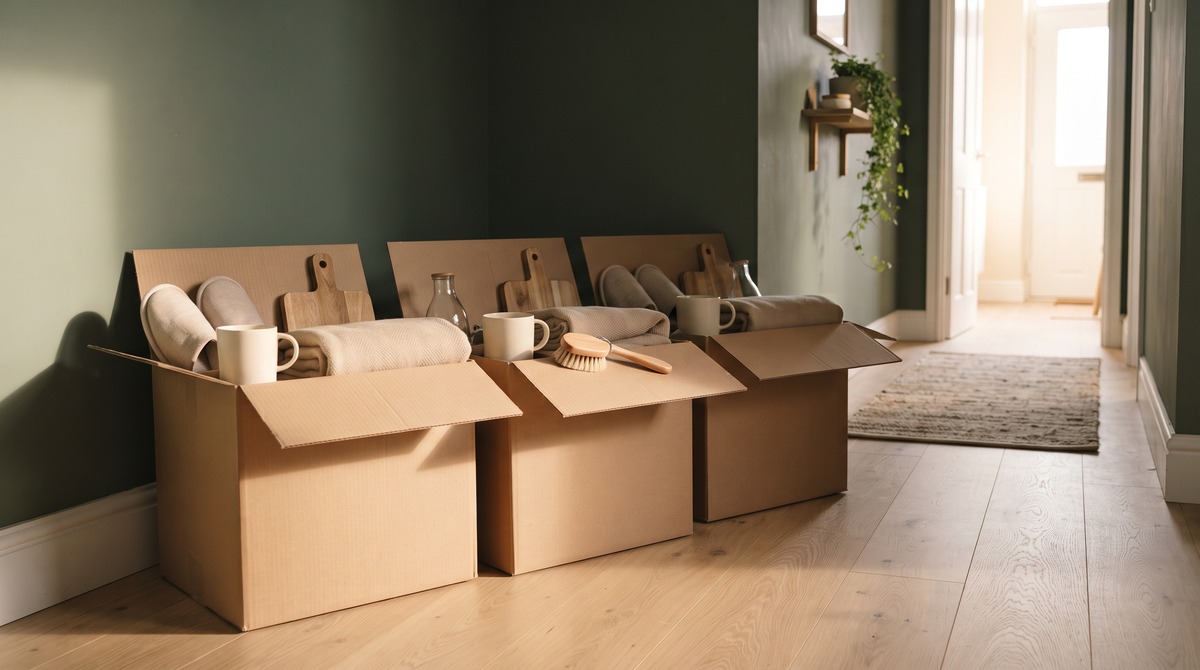
After I film my Amazon influencer products, each one moves through three big cardboard boxes, one for starting the video, one for finishing it, and one for photos. Then I decide where it goes. We keep what we’ll use, and I look for the best home for everything else, like family, friends, a shelter, or my family’s business. I rarely sell anything. The boxes came first because we have a small house, and without a system, things get crazy.
I make short review videos for Amazon, and the products they’re about have to live somewhere while I work through them. I won’t call them free stuff, because every one of them needs a video before it earns anything. My sister reviews some products too, and between the two of us, a lot of boxes come through my door. This post is about the part people ask me about the most, which is what happens to all of it afterward.
Heads up: some links in this post are affiliate links, which means I earn a commission if you sign up, at no extra cost to you. I only point to tools I actually use.
How do Amazon influencers keep track of products waiting to be filmed?
I use three large cardboard boxes, and yes, they’re the boxes products came in. I always have plenty of those, so I keep the big ones for this job.
- START: products waiting for the first part of the video, the intro and the disclosure with me in it.
- FINISH: products waiting for the second part, where I show the item in use or whatever else it needs.
- PHOTOS: products waiting for separate pictures, since I sometimes take photos apart from the video.
A product moves from one box to the next as each step gets done. When it comes out of the last box, it’s finished, and that’s when I decide what happens to it.
The order isn’t first come, first served. If a brand or a campaign has a deadline, that product jumps the line, and everything else waits its turn.
Why do you need a system before the products pile up?
Things got mixed up before I had one, and we have a small house, so a pile of products doesn’t have anywhere to hide.
It still gets out of hand sometimes. Busy seasons bring a lot of products at once, and when life gets busy, filming slows down and the boxes back up. The boxes still show which step each product is waiting on, so catching up starts with one box instead of the whole pile.
If you’re new to the program and the boxes haven’t started arriving yet, I’d set up something like this before the pile shows up. It doesn’t need to be three boxes. It needs to be somewhere every product goes the day it arrives, with a way to tell what step it’s on. Mine is the digital version of the same three boxes, and the way I log and track every product is its own post.

What do Amazon influencers do with products after filming?
For us, it comes down to one question. Would we actually use it? If the answer is yes, it stays, and a lot of what stays is stuff I bought to review in the first place. Those are things we’d have bought anyway, so it saves us money on the household side.
If the answer is no, I try to find the best home for it. Depending on the product, the best home might be:
- Shelters, for things like pet products.
- Friends who can use it, or who know someone who can. My teacher friends are a good example.
- Family members who’ll use it.
- My family’s business, where people can pick through what I bring. Everyone there knows to donate whatever isn’t taken or used.
People are almost always grateful, especially when it’s a great match. My aunt was telling me recently she still uses an ice cream maker I gave her years ago. It came from a review I did back when I reviewed products on my old blog. When a product lands with the right person, they tend to come back with thanks years later.
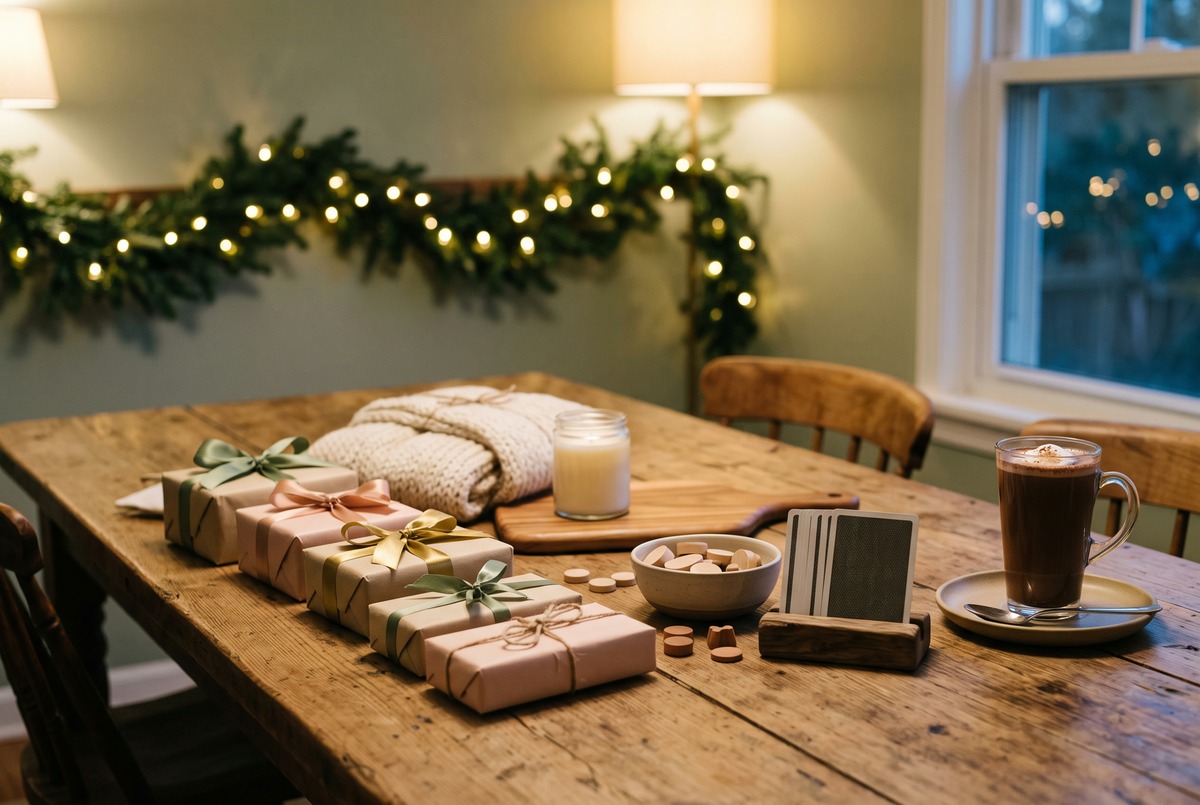
My sister and I also planned games for Christmas and used a lot of review products as prizes and gifts. Everyone loved it, and it was so much fun.
I’ll admit one regret. I’ve given something away and then needed it later, so the “would we use it” question works better when I give it a real minute.
Do Amazon influencers sell the products they review?
I rarely sell, but I have, and it’s an option. The things I’ve sold were either higher-priced products with no good home, or things I sold later during a declutter. I’ve sold on Facebook Marketplace, Mercari, Poshmark, eBay, and at a garage sale. If you’re comparing those, the fees are laid out in Mercari vs Poshmark vs eBay vs Depop: The Real Fees.
Please don’t read this as a plan to earn money reselling review products. It isn’t one for me. Selling is the rare exception, and most of what we don’t keep goes to people.
Check your own program’s terms before you sell anything. The Creator Connections, Levanta and Logie help pages I’ve seen don’t say anything about reselling the products you receive, so ask the program or the brand if you’re unsure. Amazon’s Associates policies do say you can’t buy products through your own affiliate links to resell them. If you’re sorting a bigger pile and deciding what’s worth listing, What Should You Sell First When Decluttering for Money? walks through how I’d pick.
Can you review products you don’t own?
Yes, and it’s how I’d get started. Some of the products in my videos belong to my sister or came from my parents’ houses. Sometimes I film at their place, and sometimes they lend it to me and it goes back.
My suggestion is to invade your family’s house. Ask them what they’ve bought and love and would recommend, then review those items with their help. Friends work too, or anyone who’s okay with it and has things to recommend. The one rule is not to make things up about products nobody is using.
This week’s practice: set up your boxes before the pile
- Pick two or three steps your products go through before they’re done, and give each one a box, a bin, or a shelf.
- Write a short list of homes for things you won’t keep, like a friend, a relative, a shelter, or a local group.
- Take one finished product out of your pile and ask whether you’d actually use it. If not, send it to the first home on your list.
Frequently asked questions
What do Amazon influencers do with the products they get?
It depends on the person, but I keep what we’ll use and find a good home for the rest. For me that means family, friends, a shelter, or my family’s business, and I sell something only once in a while.
Can you sell products you get as an Amazon influencer?
Check your program’s terms first, because I can’t answer that for every program. The Creator Connections, Levanta and Logie help pages I’ve seen don’t mention reselling, so ask the program or the brand if you’re unsure. Amazon’s Associates policies do say you can’t buy through your own links to resell.
Are Amazon influencer products free?
I don’t think of them as free, because every product needs a video before it earns anything, so you work for them. Some products I buy myself, some come from brands, and some I borrow from family. You’re trading your time and work either way.
How do you keep track of products waiting to be filmed?
I use three large cardboard boxes, one for starting the video, one for finishing it, and one for photos. Each product moves box to box, and anything with a brand deadline jumps the line.
What if the products start taking over your house?
Set up a system before the pile gets big, and decide where things go as soon as they’re filmed. We have a small house, and without a system, things get crazy. When the boxes back up, I work through one box at a time.
Where can you give away review products you don’t keep?
I look for the person or place who’ll use it most. That’s usually family, friends who know someone who needs it, a shelter for pet products, or my family’s business, where people pick through and donate whatever’s left.
My Amazon influencer products go through three boxes, start, finish, and photos, and then we keep what we’ll use and find the best home for the rest. Selling is rare. If boxes are about to start showing up at your door, set up the system first, and the pile has somewhere to go.
A tool I built
Porch Pile
Track your whole Amazon Influencer operation, every product, video, and brand deal, so one glance tells you what to film next.
Start your pile →I run an affiliate program on the tools I build. Approved affiliates earn 20% on what their referrals pay, for up to a year. US only for now. See the program →