
Amazon influencer income comes from a few places. There’s commission when shoppers buy after watching your videos on Amazon, bonus commission from Creator Connections campaigns, commission from links you share outside Amazon, and sometimes brands paying you directly. I’ve posted more than 1,300 videos since I started tracking them in April 2023, part time and mostly for lower-cost products, and the money goes up and down from month to month. I’m not sharing dollar amounts, and I explain why below.
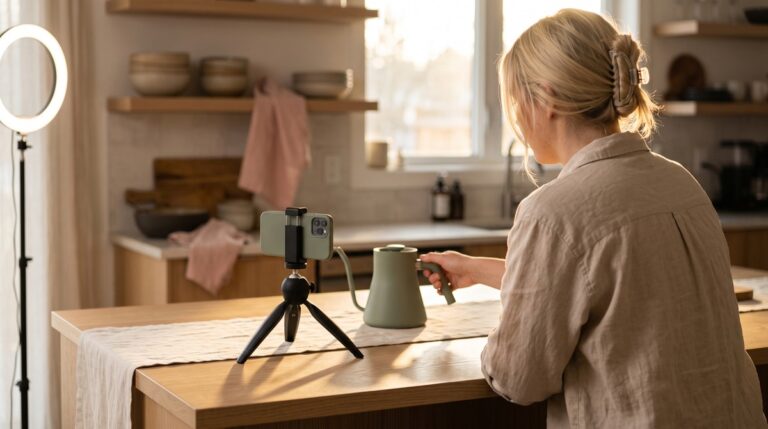
If I had to describe the Amazon Influencer Program in one word, I’d pick rollercoaster. I make short review videos of products, they show up on Amazon, and I earn a commission when people buy after watching. My husband helps sometimes, and my sister reviews some products too. She tells me when she’s shopping for something, and if I can help her save the money on it, she happily takes the product. The commission comes to me, so everything below is from my own experience.
Why I’m not sharing my Amazon income numbers
I wanted this post to have a month-by-month table. Then I read Amazon’s Confidential Information FAQ for the Associates Program, which covers the Influencer Program too. It says not to share information that isn’t available to the general public, and that if you have to sign in to your Associates account to see it, it isn’t public. My earnings are behind that sign-in, so they stay out of this post.
I’ll admit I’m nervous about saying too much in general, so everything here is either my own experience or something Amazon publishes on its own public pages. I see people sharing their numbers all the time, but I’m paranoid and a chronic rule-follower.
Heads up: some links in this post are affiliate links, so I earn a commission if you sign up, at no extra cost to you. I only point to tools I actually use.
How do Amazon influencers make money?
These are the ways the money comes in for me:
- Onsite commission. When a shopper who’s already on Amazon watches my video and buys that exact product, I earn a commission.
- Creator Connections. Brands run campaigns through Amazon that offer creators a bonus commission for sales from their content. It’s become a big part of how I pick what to film.
- Offsite links. When someone clicks one of my links from outside Amazon, like this blog or social media, and then buys, I earn the regular commission. I use Levanta for some of these, where the brand sets the commission rate instead of Amazon.
- Brands paying directly. Once you’ve been posting for a while, brands sometimes reach out and pay you to make a video. That money comes from the brand, not from Amazon, and those videos need an #ad or similar disclosure.
How much does an Amazon influencer make per sale?
Less than people expect, especially on lower-cost products. Amazon publishes its onsite commission rates, and for regular videos they run from 0% to 4% depending on the category. Home, furniture and pet products are 3%, kitchen and health products are 1.25%, and toys and grocery are 0.50%. At 1.25%, a $30 kitchen product earns about 38 cents.
| Category | Onsite commission rate | On a $30 product |
|---|---|---|
| Home, furniture, pet | 3% | about 90 cents |
| Kitchen, health | 1.25% | about 38 cents |
| Toys, grocery | 0.50% | about 15 cents |
Most of what I review is lower-cost stuff, and I don’t have a lot of videos on expensive items. So it adds up for me through volume, with more than 1,300 videos each doing a little.
Small rates are also why picking the right products matters. I use a browser tool called Oink for that, and it shows me whether a product is selling and whether it has a Creator Connections campaign with time left on it. There’s a free version, and Pro runs $29.99 a month or $249.99 a year. My code JENNIFER takes 10% off.
It also takes a while to see. Amazon pays commission approximately 60 days after the end of the month it was earned in, so January’s sales show up around the end of March.
Why is Amazon influencer income so up and down?
A lot of it is outside my control, and that’s the reason I don’t feel comfortable doing only this:
- The rules change. In April 2026, Amazon changed onsite commission so it only counts purchases of the same product variant as the one in the video. Amazon’s agreement lets it change terms with as little as two business days’ notice.
- Videos get rejected or removed. Amazon’s Influencer Program policy says it can reject, remove or suspend influencer content. A video I spent time on can get turned down, or get approved and show up somewhere nobody sees it.
- Creator Connections campaigns end. A month with strong campaigns can be followed by a much quieter one, depending on which campaigns are running and which of my products are in them.
None of those are things I can fix by working harder in a given week. So I treat Amazon as one stream in a bigger garden.
Is the Amazon Influencer Program a good side gig?
For me, yes. It’s great for a side gig, and it’s fun to get products sent to our house. I won’t call it free stuff, though, because you have to work for it. Every product needs a video made, checked, and uploaded before it counts for anything. If you’re wondering where all those products come from, I broke down how I get products as an Amazon influencer from my own tracker.
I don’t do this full time, and that’s why my income isn’t giant. I’m fine with that, because it leaves room for the other things I’m building.
The part I love most is how it rewards showing up. You can’t earn a commission on a video you never posted. Every upload is a seed, and some of them sit there for a while before anything happens.
Can one Amazon video keep earning after you post it?
Yes. A good product can keep bringing in commission for a long time after the video goes up, as long as people keep buying it. The video doesn’t need anything else from me once it’s live.
I’m not going to name my best one. If I did, a crowd of other influencers would go film the exact same product, and my video would get pushed down the page. Call it protecting my seedling.
What I can tell you is the pattern I look for. The products that keep paying are ones I’d buy again myself, ones people keep needing, and ones where my video answers a real question a shopper has.
This is the same reason I like small daily actions that compound. A single video rarely changes a month for me, but a steady stack of videos on useful products adds up over time.
Why I don’t rely on Amazon alone
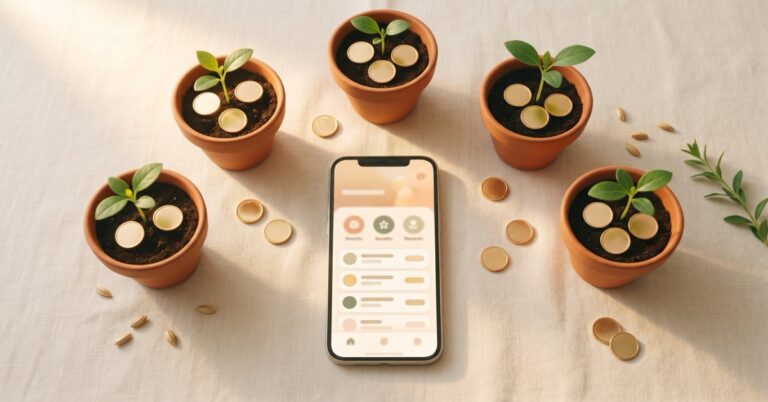
I’m a treasure hunter, and I’d rather plant a lot of small seeds than bet everything on one sure thing. Amazon is my biggest seed right now, and that’s exactly why I keep planting others. When a slow month comes, I want other streams in the mix.
If you’re doing this too, it helps to see all your streams in one place. I built a free side hustle income tracker for that, so the slow months don’t feel like the whole story.
This week’s practice: find your own swing
- Write down what each side income stream paid you for the last 6 months, one row per month, and keep it for yourself.
- Circle your highest month and your lowest month for each stream, and look at how far apart they are.
- If one stream is more than half of the total, plant one small seed somewhere else this week. List one item to sell, pitch one idea, or post one thing on a platform you’ve been meaning to try.
Frequently asked questions
How much do Amazon influencers make?
It varies too much from person to person to give one number, and I don’t share mine because Amazon treats account information you have to sign in to see as confidential. Income depends on how many videos you have, the price of the products, their commission category, and whether Creator Connections campaigns are running.
What is Amazon Creator Connections?
Creator Connections is Amazon’s program where brands offer creators a bonus commission for sales from their content. Creators need to be in the Amazon Influencer Program and at the Bronze tier or higher in Creator Stars, according to Amazon’s help page for the program.
What are Amazon influencer commission rates?
Amazon’s published onsite rates for regular influencer videos run from 0% to 4% depending on the product category. Home, furniture and pet products are 3%, kitchen and health products are 1.25%, and toys and grocery are 0.50%.
When does Amazon pay influencers?
Amazon pays approximately 60 days after the end of the month the commission was earned in. Sales from January get paid around the end of March.
Can you do the Amazon Influencer Program part time?
Yes, I do it part time. My husband helps, and my sister reviews some products she was already shopping for. Part time means a smaller income, and I’m okay with that because it leaves room for my other seeds.
Should Amazon be your only source of income?
It isn’t for me. Amazon can change its terms with as little as two business days’ notice and can reject or remove videos, and Creator Connections campaigns come and go. I keep it as one stream among several.
A tool I built
Side Hustle Garden
Log every side hustle payment and watch it knock out your monthly bills, smallest first.
Plant your first dollar →I run an affiliate program on the tools I build. Approved affiliates earn 20% on what their referrals pay, for up to a year. US only for now. See the program →
Related reading
- What I Do With Amazon Influencer Products After I Film Them
- A Free Side Hustle Income Tracker That Grows Like a Garden
- The Seed You Never Plant Can Never Grow
- Small Daily Actions That Compound Over Time
Amazon influencer income comes from onsite commission, Creator Connections bonuses, offsite links and brand deals, at published rates from 0% to 4%, and it swings with rule changes and campaigns. I keep my numbers private and keep planting other seeds alongside it.