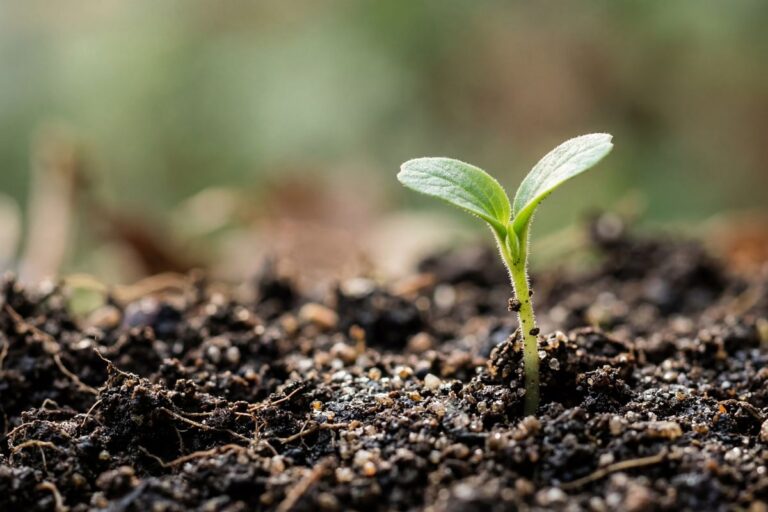

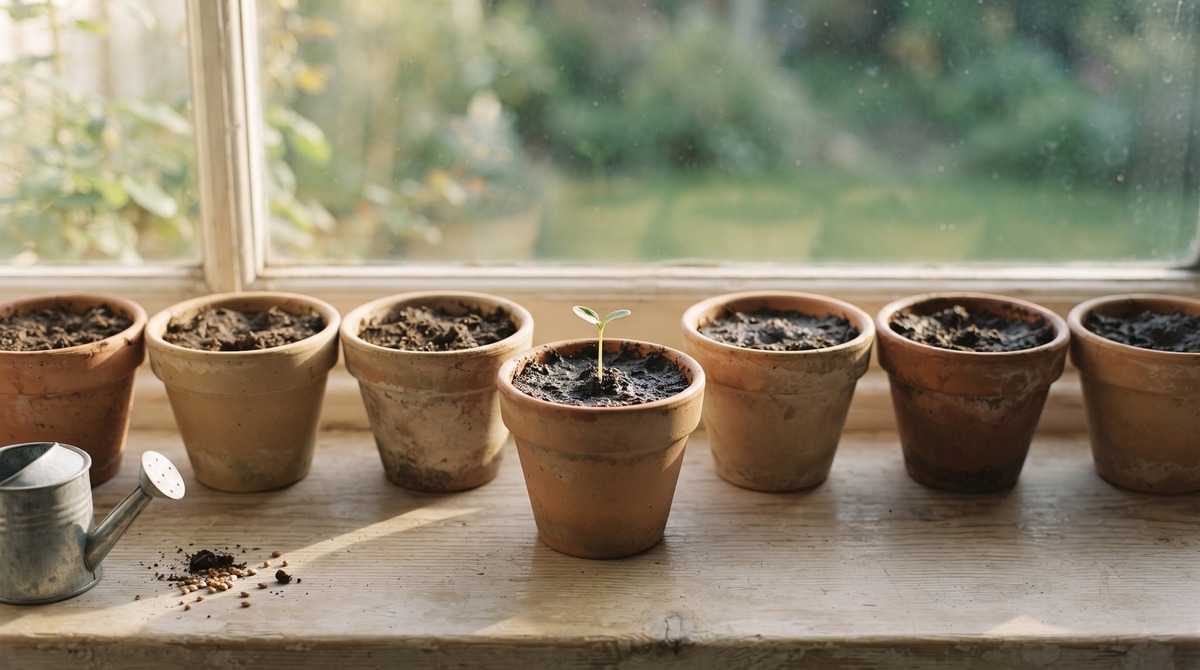
When nothing is working yet, the move is rarely to quit. It’s to keep planting, tend what you’ve already grown, and get honest about whether your seed is slow or actually dead. Most no-results stretches are the quiet underground phase before anything shows above the soil. Your job is to keep watering the right seeds and to notice which ones deserve more time. Here’s how I tell the difference.
I’m in one of these stretches right now, so this isn’t a lecture from the far side. Over a year ago I started learning automation and building small tools from scratch. I’ve built a pile of them, real working things I use every day. By one honest measure that’s a clear win, I taught myself a hard new skill. By another, nothing has sprouted, because I haven’t launched or sold a single one of them yet.
Here’s the uncomfortable part. The building felt fun and productive, so I kept doing it. The launching felt scary, so I kept not doing it. I’m a natural cave dweller. I’d rather make things in private than show them to anyone, and that instinct has cost me real time. While the topic I was learning was hot, I stayed head down in my cave instead of sharing the work out loud. The seed was real. I just wasn’t giving it the one thing it needed most, which was light.
Why nothing is working yet, even though you’re doing the work
A seed spends most of its life invisible. You plant it, you water it, and for a long stretch the soil looks exactly the same as the day you started. Nothing’s wrong. The work is happening underground where you cannot see it. Roots first, then the sprout. The no-results phase is the part of progress that doesn’t photograph well.
This is also the easiest spot to quit. Not at the start, when it’s exciting, and not at the harvest, when it’s obvious. It’s the long flat middle, often right before the first green shows. If you’re there now, discouraged and still doing the work, you’re not failing. You’re standing in the part everyone wants to skip and almost no one sees through.
Are you still watering, or did you stop?
Before you blame the timing, check your own hands. Sometimes a seed isn’t slow. You stopped tending it a few weeks ago and didn’t notice. Are you still showing up for this thing, or has it drifted to the bottom of the list while you tell yourself you’re waiting on it?
For me the answer was sideways. I was watering one part faithfully, the building, and ignoring another the seed needed just as much, being seen. My tools weren’t failing to sprout because they were bad. They were failing because I kept them in the dark. Tending means doing the part you’ve been avoiding too, not just more of the comfortable work. If the part you keep dodging is wrapped in self-doubt, that’s its own seed to tend, and I wrote about that in how to trust yourself again.
The timing of the harvest isn’t fully yours to set, and that’s worth making peace with. Your half is the planting and the tending. The universe keeps the other half, which is when. Just don’t hand it a job that’s actually yours. Waiting isn’t the same as avoiding.
Slow seed or dead seed? How to tell
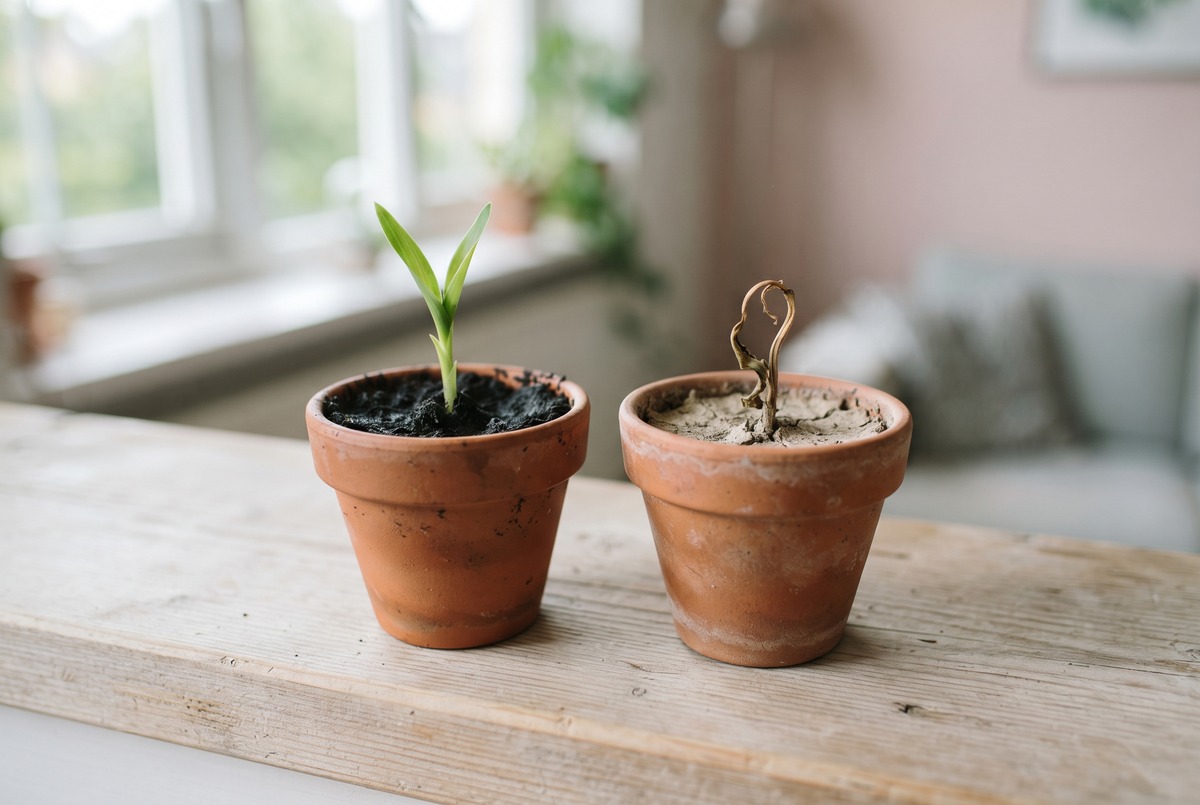
Not every seed deserves more patience. Some genuinely won’t grow, and pretending otherwise is its own kind of stuck. Here’s how I tell them apart.
| Signal | Slow but alive | Likely dead |
|---|---|---|
| Are you still learning? | Still learning or improving, even with no results to show | You keep doing the same thing expecting a new result |
| Is anything accumulating? | Small things adding up, a skill, an audience, a body of work | Nothing has moved in a long time |
| Does it still pull at you? | The thought still has some pull, underneath the fear | The pull is gone and only obligation is left |
| How do you feel about it? | You feel closer to ready than three months ago | You’ve stopped tending it and feel only relief, and you already moved on inside |
A slow seed needs more time and steady water. A dead seed needs to be composted, so the space and the nutrients can go to something with a pulse. Changing a seed isn’t failure. Sometimes it’s the most honest gardening you can do. If you need to sort a whole tangle of them, the seeds to plant tool helps you lay them out and choose.
Not sure which one you’re holding? Name your stuck seed below and sort it in about a minute.
What to do this week when nothing is working
So here’s the whole answer, the one I’m taking myself. Keep planting, because the next seed doesn’t care that the last one is slow, and steady action is still how you grow your own luck. Tend what you’ve already grown, especially the part you’ve been avoiding. And get honest about which seeds are slow and which are finished. For me that means launching the thing I built instead of building a tenth thing to hide behind. It’s scary, and it’s the exact water my seed has been missing.
Today’s action
- Name one seed that has not sprouted yet, and decide on purpose: slow or dead.
- If it’s slow, do the one tending task you keep avoiding. The harder kind of water counts most.
- If it’s dead, compost it. Say so out loud and free the room for something with a pulse.

Frequently asked questions
What should you do when nothing is working?
Keep planting, tend what you’ve already grown, and sort out which seeds are slow and which are dead. Most no-results stretches are the underground phase of progress, not the end of it. Quitting everything is rarely the answer. Quitting the one truly dead seed, so you can water the living ones, often is.
How long should you keep going before you give up?
There is no fixed number, because it depends on whether the seed is still alive. Keep going as long as you’re still learning, still accumulating something, and still feel a pull under the fear. Let go when the movement and the pull are both gone and only obligation remains.
Why do I feel behind when I’m working so hard?
Because effort underground is invisible, and we compare our hidden roots to other people’s visible sprouts. You’re not behind, you’re early. The work you’re doing now is the part that doesn’t show yet. Feeling behind is a measurement problem, not a progress problem.
How do you know when to quit versus keep going?
Ask whether you’re stopping out of strategy or out of avoidance. If the seed still pulls at you and things are still adding up, keep going and tend the part you avoid. If the pull is gone and you feel only relief at the thought of stopping, that’s your permission to change seeds.
Is it normal to feel like nothing is working?
It is one of the most normal experiences there is, and it’s the easiest point to quit. Doing the work through a stretch of no visible results usually means you’ve reached the part that separates the people who harvest from the people who keep restarting.
Nothing working yet isn’t the same as nothing working. Keep planting, tend what is already in the ground, water the part you’ve been avoiding, and let go of only what is truly done. The sprout almost never shows on the day you most need it to. It shows a little after, for the people who kept tending through the quiet.
A tool I built
Energy Battery
Log your energy through the day and watch your battery fill, so you can see what actually charges you and what drains you.
Find your spark →I run an affiliate program on the tools I build. Approved affiliates earn 20% on what their referrals pay, for up to a year. US only for now. See the program →