
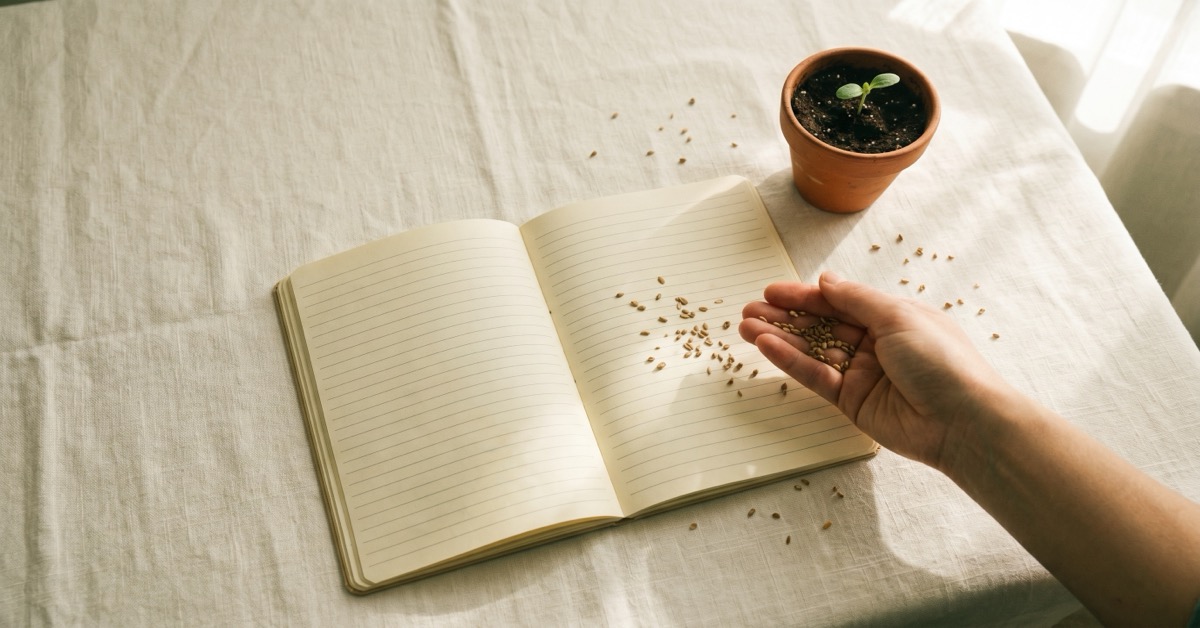
There is a particular kind of overwhelm that does not come from having too much to do. It comes from having too many ideas.
You want to start the side project. And get back into yoga. And reach out to that person you have been meaning to message for a year. And finally apply for the thing you have been talking yourself out of. And clean the closet. And learn that skill you keep watching videos about.
All of it lives in your head at once. None of it gets planted. You go to bed with the same list you woke up with. That is the quiet version of feeling stuck when you do not know your next step.
That is the moment I built today’s free brain dump tool for.
Brain dump in, seeds out
It is called Seeds to Plant, and it does one thing. You drop in everything that is swirling around in your head. The whole tangled mess. Hopes, worries, half-plans, that thing you have been putting off, the people you miss, the small experiments you keep almost starting.
You get back a sorted garden. Not a to-do list. A garden.
It takes about thirty seconds to use, and you can come back to it whenever the noise gets loud again.
Why call them seeds and not to-dos?
A to-do list is a contract with yourself. It says, “I owe these things.” When you do not finish, you feel behind. When the list grows, you feel buried.
A seed is the opposite. A seed is something you plant in the ground and then let do its work. You water the ones that matter. You let the ones that do not get a season to rest. Nothing is overdue. Nothing is owed.
If you like a reflection practice off the screen too, I tried the Intelligent Change reflection planner on my other blog, and it sits nicely beside this when you want to slow the noise down on paper.
This blog is built around one belief. Luck favors the ones who plant. The seed you never plant can never grow. You cannot win something you did not enter. You cannot go viral with a video you did not post. You cannot reconnect with someone you never reached out to. The seeds we plant on purpose are what the universe has to work with.
When your head is too full, you stop planting. The tool exists to help you start again.
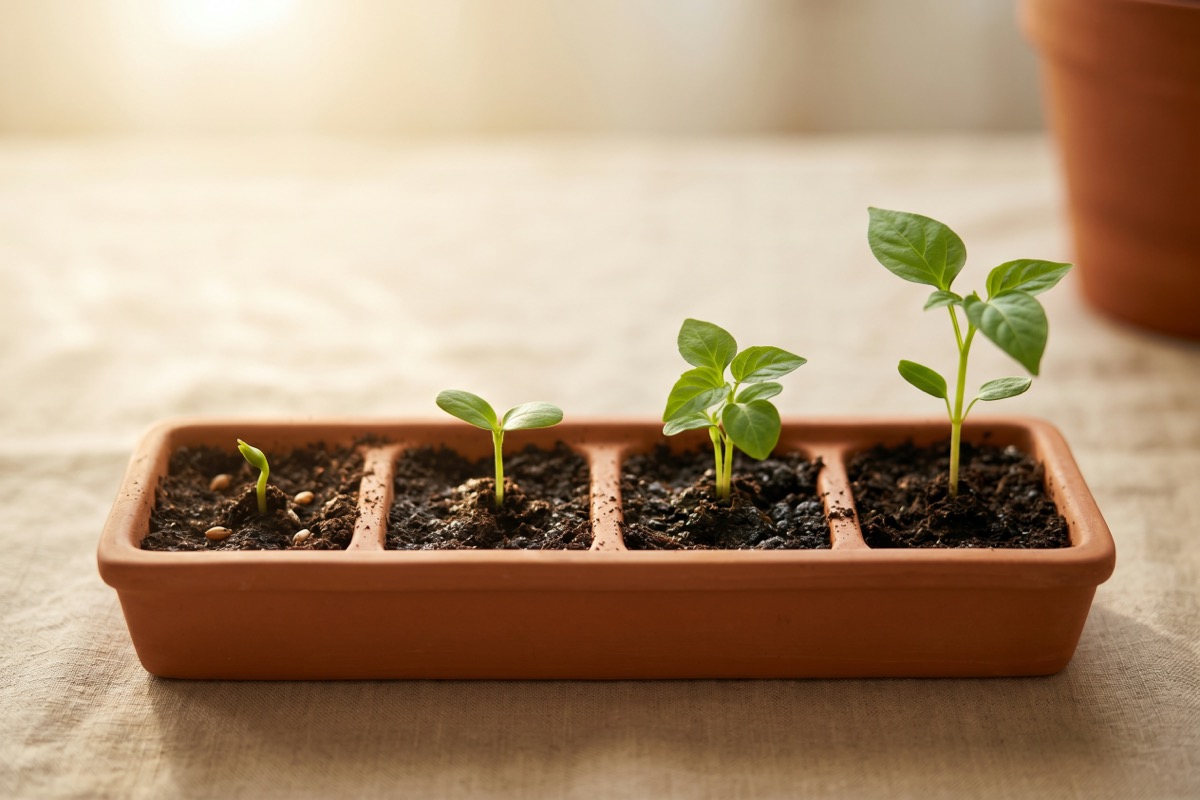
The four buckets
Whatever you put in, the tool sorts your dump into four kinds of seeds.
| Seed type | What goes here | Example from a dump |
|---|---|---|
| Plant today | One small thing you can do in under thirty minutes | Text your sister one specific thing, hit send in ten minutes |
| Tend | Already growing, needs one next watering | Find one yoga class that fits this week and bookmark it |
| Notice | Stay open, force nothing | Watch how you feel after you reconnect with someone |
| Set aside | Real, but resting for a different season | The pottery class and the half-read book |
One seed to plant today. Just one. Small. Specific. Something you can do in under thirty minutes, today, without rearranging your life. Often the most useful seed in the dump is the one your brain almost talked you out of.
Seeds to tend. The ones that are already growing or want to start. Each one comes back with one next watering. Not the whole plan. Just the next small thing.
Seeds to notice. Stay open without forcing anything. Watch for a feeling. Be open to a person. Pay attention to a pattern. The seeds you notice are the ones that turn into the unexpected gifts. The serendipity is here.
Set aside for now. Not gone. Not killed. Just resting. Some seeds want a different season. The tool will not tell you to drop anything. It will only tell you what does not need to take up space in your head today.
What does a real brain dump turn into?
Here’s an example brain dump and the results you might get with it.
Start the Etsy shop I have been planning. Get back into yoga. Call my sister. Stop doomscrolling at night. Sign up for that pottery class. Apply for the promotion at work even though I do not feel ready. Plant herbs on the balcony. Finish reading the book by my bed.
Here is part of what came back:
One seed to plant today. Text your sister right now with one specific thing you want to tell her or ask her. Hit send within ten minutes.
Seeds to tend. Get back into yoga. Next watering, find one class that fits your schedule this week and bookmark it. You are not committing to a plan yet, just having it ready. Plant herbs on the balcony. Next watering, pick one herb you would use and check if you have a pot and soil.
Seeds to notice. Pay attention to how you feel after you text your sister. Connection often plants more seeds naturally.
Set aside for now. The pottery class and the book can wait a breath. They are not going anywhere, and you will come back to them when space opens up.
That set-aside line is the part I keep thinking about. Not every seed needs to be planted this week. Some are real and worth keeping, just not for right now. Letting them rest is part of the practice.
Today’s action
Open Seeds to Plant. Take three minutes to write down everything that is loud in your head. Read what comes back. Plant one thing.
Tomorrow you can do it again if you need to.
If the hard part for you is coming back day after day, that is the exact itch I built Dopamine Dealer Habits to scratch, a gentler way to make showing up every day feel good instead of like one more thing you owe.
Frequently asked questions
Is this just an AI productivity app?
It is built for intentional planting. The output sounds nothing like a typical AI to-do app. There is no urgency, no hustle, no optimization. The tool will not tell you to monetize your hobbies or scale your side income. A seed worth planting can be a conversation, a fifteen-minute walk, a sweepstakes entry, a question you sit with. Anything that opens possibility.
Do I have to give my email?
Yes. The email gets you into the tool, and you get the Seeding Serendipity weekly newsletter only if you check the box. Uncheck if you would rather not. Either way, you can use the tool as much as you want for the next thirty days from that device.
What if I dump the same thing every week?
Good. The point is not to “complete” your dump. The point is to keep planting. If the same seed keeps coming up, that is information. Either it is waiting for the right season, or it is asking you to take it more seriously.
How is this different from journaling?
Journaling is for noticing what is true. Seeds to Plant is for turning what is true into a small action you can do today. Both are useful. The tool is what I reach for when journaling has surfaced too much and I do not know where to begin.
The quiet reminder
Your head is full of seeds. The work is to pick one and plant it on purpose.
That is what grows your own luck.
Keep planting
- How to stop feeling stuck when you don’t know your next step
- The seed you never plant can never grow
- Small daily actions that compound over time
A tool I built
Side Hustle Garden
Log every side hustle payment and watch it knock out your monthly bills, smallest first.
Plant your first dollar →I run an affiliate program on the tools I build. Approved affiliates earn 20% on what their referrals pay, for up to a year. US only for now. See the program →